Important Note!
We use cookies to ensure you get the best experience on our website.
By clicking ‘Agree,’ you accept our use of cookies as outlined in our cookies policy

Global markets are in the midst of a major shake-up as investors abandon traditional safe havens like government bonds and major currencies. Mounting debt, political instability, and fears of long-term monetary debasement are pushing capital toward tangible assets such as gold, silver, and Bitcoin.
Gold and silver have both hit record highs, the dollar is under pressure from a government shutdown and weak economic data, and demand for US bonds is shifting away from Wall Street dealers to global investors. With inflation worries, fiscal strain, and waning trust in fiat currencies dominating sentiment, the flight to hard assets signals a deep shift in how investors view safety and value in today’s uncertain financial world.
A growing number of investors are shifting away from government bonds and major currencies amid fears of long-term “monetary debasement” — the erosion of value due to runaway deficits, political pressure on central banks, and persistent money printing. This so-called debasement trade is driving capital toward gold and cryptocurrencies as alternative stores of value.
Gold has surged over 50% this year to above $4,000 an ounce, and Bitcoin remains up more than 20%, as both benefit from their perceived protection against inflation and government mismanagement. Analysts suggest this shift away from sovereign assets could continue, while others argue it’s a momentum-driven move rather than a lasting transformation.
Political instability — from Japan’s pro-stimulus leadership shift to France’s recurring budget crises and Trump’s renewed fiscal expansion — has amplified investor concerns. Meanwhile, critics note that currencies and government debt remain central to the global financial system, making them difficult to replace.
Still, with governments “addicted to deficit spending” and central banks potentially pressured to keep rates low, strategists warn that entrenched inflation, weaker fiat currencies, and rising gold reserves could mark a new era in global finance.
The US dollar weakened after the government entered its first shutdown in nearly seven years, while disappointing jobs data added further pressure. Private-sector payrolls unexpectedly fell, sparking speculation that the Federal Reserve may cut interest rates twice this year.
The dollar index fell, with traders betting on more downside as political gridlock and data delays cloud the economic outlook. The yen strengthened, Treasuries rallied, and stocks edged higher. Analysts warned that a prolonged shutdown could deepen dollar losses, especially as concerns grow over rising deficits and uncertainty surrounding monetary policy.
Gold’s powerful rally this year has reinforced its status as a preferred refuge amid weakening confidence in major currencies. The metal has surged more than 20% since July to around $4,000 an ounce, as investors seek protection from rising government debt, political uncertainty, and expectations that central banks will keep cutting rates despite stubborn inflation.
At the same time, the US dollar has fallen against nearly every major currency, pressured by fiscal strains and market unease over economic policy direction. Many see gold’s ascent as part of a broader shift away from fiat currencies whose value is increasingly questioned in an era of expanding deficits and monetary easing.
With parallels to the 1970s—when inflation and currency instability sent gold soaring—analysts view the metal’s renewed strength as a signal of eroding trust in traditional monetary systems.
Investors are increasingly moving away from the US dollar into assets like gold, silver, and Bitcoin, a trend often described as “de-dollarization.” Gold prices have climbed to record highs as concerns over government debt, a prolonged shutdown, and expectations of rate cuts push demand for safer stores of value.
An influential market figure warned that this shift away from dollar-based assets is “really concerning,” describing the US economy as being on a “sugar high” — temporarily boosted by heavy government spending and loose monetary policy that may fade once stimulus slows. The growing preference for gold underscores rising skepticism about the dollar’s long-term strength and economic stability.
The US government sold $22 billion worth of 30-year Treasury bonds, but the biggest Wall Street dealers bought the smallest share on record — only 8.7% of the total. That’s the lowest level since tracking began in 2006, as other investors, such as pension funds and foreign buyers, stepped in with strong demand.
Experts say this trend has been building for years. The US bond market has grown much faster than dealers’ ability to absorb new debt, while the rise of index-tracking funds that automatically buy Treasuries has also reduced dealers’ role. Before 2008, dealers used to buy over half of each auction.
Meanwhile, in China, government bond yields fell after the holiday period as banks poured excess cash into short-term bills, reflecting strong demand for safe assets and continued easy monetary policy.
Silver prices have hit a record high of nearly $53 an ounce after a major supply squeeze in London sent shockwaves through the market. Traders are scrambling to find enough metal, with some even flying silver bars across the Atlantic to take advantage of higher prices in London — something usually only done for gold.
The shortage has pushed up borrowing costs for silver to extreme levels and driven demand from countries like India, further tightening supplies. Worries about possible new US tariffs on key minerals have also added to the pressure.
Silver’s smaller market size makes its price swings much sharper than gold’s, and analysts warn that even a small drop in demand could cause a quick correction. Still, both gold and silver have surged this year as investors look for safer places to put their money amid government debt concerns, interest rate cuts, and global uncertainty.
The surge in gold, silver, and digital assets — alongside weakening demand for U.S. debt and a sliding dollar — highlights a turning point in global finance. Investors are no longer taking the stability of fiat currencies or government bonds for granted. As fiscal pressures mount and confidence in central banks erodes, the world appears to be entering a new era where hard assets, once considered old-fashioned, are reclaiming their place at the core of wealth preservation.


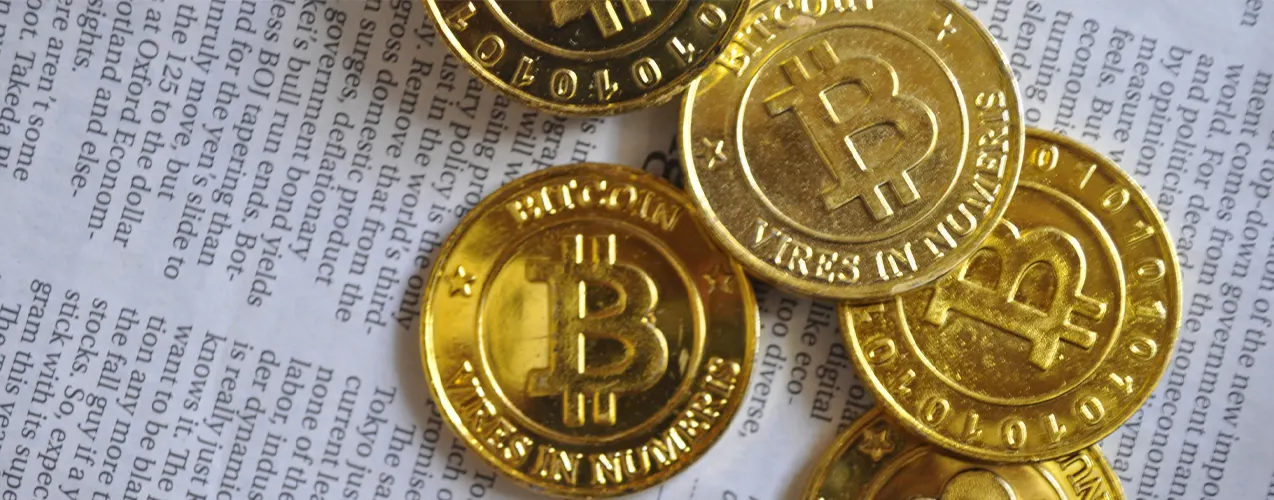
Bitcoin remains under selling pressure as significant ETF outflows and weakening technical indicators weigh on market sentiment.

Bitcoin remains in focus as easing interest rate fears help stabilize prices near $82,000, despite continued outflows from Bitcoin ETFs and mixed technical signals

Get the FXGT App